

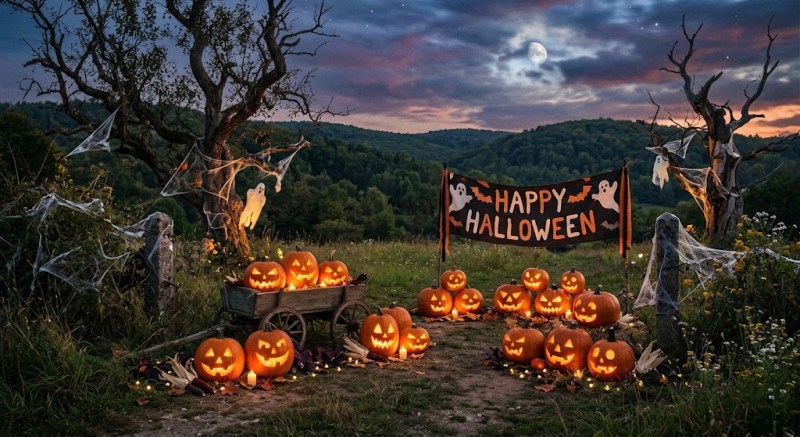
Halloween always falls on October 31st. The name is a contraction of All Hallows’ Eve, meaning the evening before the Christian feast of All Hallows’ Day (All Saints’ Day). Historically, the primary precursor to this holiday is the ancient Celtic pagan festival of Samhain. The Celts living across Ireland and Britain used this occasion to mark the end of the harvest, the close of the lighter half of the year, and the arrival of the cold, dark winter. They believed that on the night between October 31st and November 1st, the veil between the world of the living and the realm of the dead was at its thinnest, allowing spirits of ancestors—as well as malevolent entities—to roam the earth.
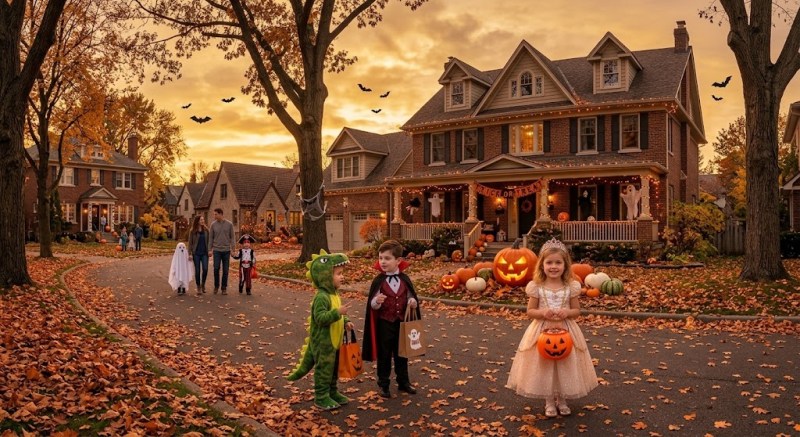
To appease these spirits, people left food and drink outside their doorsteps. To protect themselves from hostile forces and prevent being recognized or possessed, villagers disguised themselves in animal hides and blackened their faces. They also hollowed out turnips, carved frightening faces into them, and placed burning embers inside to create protective lanterns—the direct ancestor of today’s carved pumpkins. These pumpkins are one of the main symbols of the holiday, and the holiday itself is always associated with autumn.

With the spread of Christianity, church authorities gradually aligned pagan calendar dates with Christian observances. In the 8th and 9th centuries, All Saints’ Day was officially shifted to November 1st, followed by All Souls’ Day on November 2nd. The eve before these solemn days retained many folk elements of Samhain and became known as All Hallows’ Eve, which was eventually shortened to Halloween. Furthermore, the medieval practice of children and the poor going door-to-door offering prayers for departed souls in exchange for ‘soul cakes’ (a tradition known as souling) laid the foundation for modern trick-or-treating.
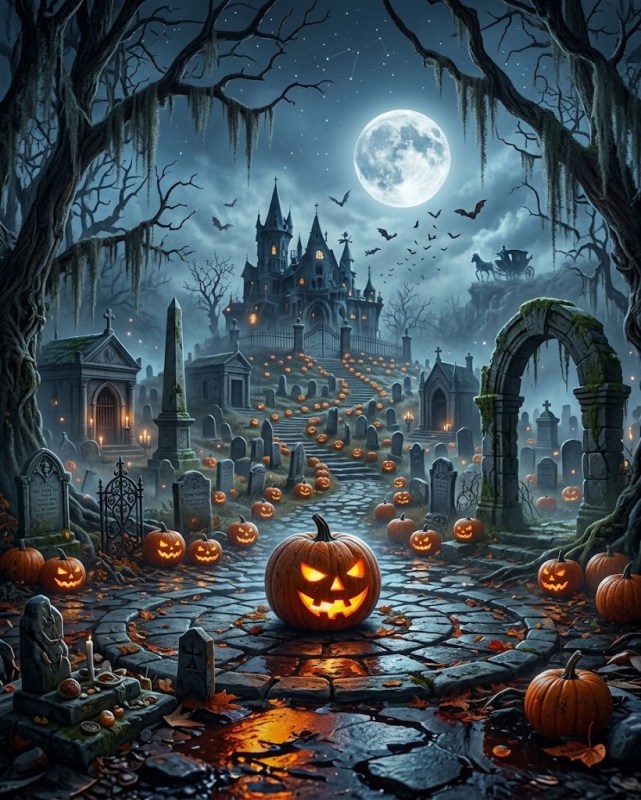
During the mid-19th century, particularly driven by the Great Famine, Irish immigrants moved en masse to North America, bringing these folk customs with them. In America, finding native pumpkins much larger and easier to carve than European root turnips, they adopted the pumpkin for their Jack-o’-lanterns. Over the course of the 20th century, the holiday evolved into a heavily commercialized community event. By the late 1990s and early 2000s, exported through Hollywood films, television, and pop culture, this modernized version of Halloween made its way back to Europe and expanded globally.
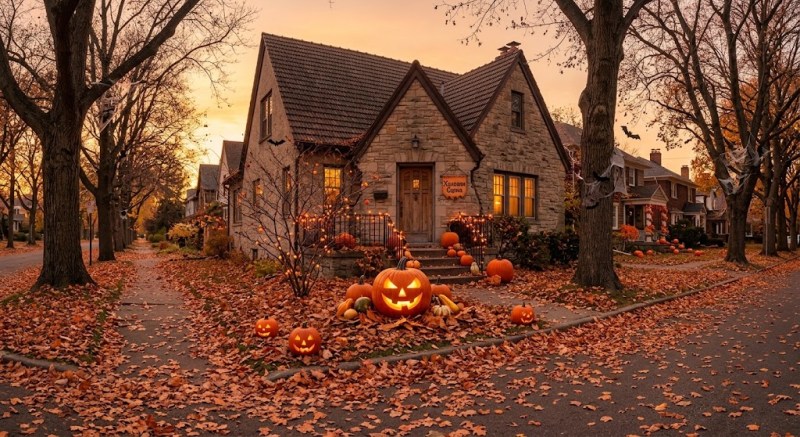
Today, Halloween is no longer confined to a single evening; it has grown into an entire autumn season featuring costume parties, haunted house attractions, and horror movie marathons, backed by a multi-billion-dollar costume and decor industry. While celebrated most extensively in the US, Canada, the UK, and Ireland, it has also gained major traction in Japan and Western European nations like Germany, France, and Italy. In Serbia, while not observed as a traditional domestic holiday, it has become increasingly popular through themed club masquerades, shopping center events, and private costume gatherings with friends.
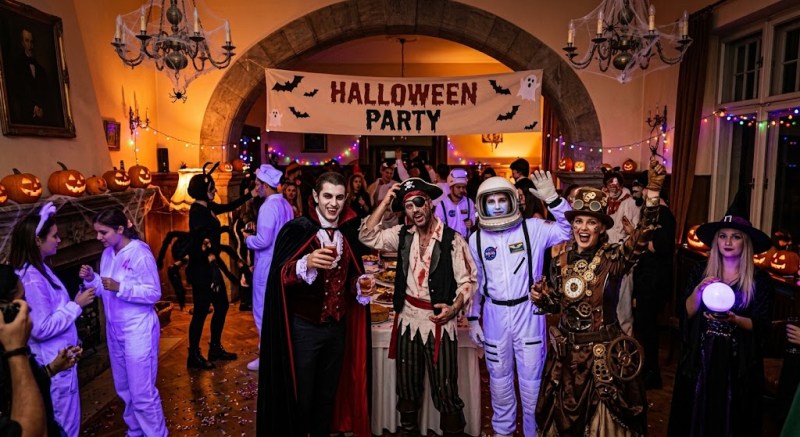
Additionally, cinema and modern media have played a massive role in shaping the holiday’s visual identity. Decades of horror cinema have cemented a roster of “classic Halloween monsters”—largely popularized by 1930s Universal horror films and classic folklore—including vampires, werewolves, witches, demons, ghosts, Frankenstein’s monster, mummies, the Invisible Man, the Gill-man, the Headless Horseman, and sinister clowns, alongside newer icons from contemporary horror cinema. These cinematic legends directly fueled the massive variety of costumes embraced by children and adults alike.
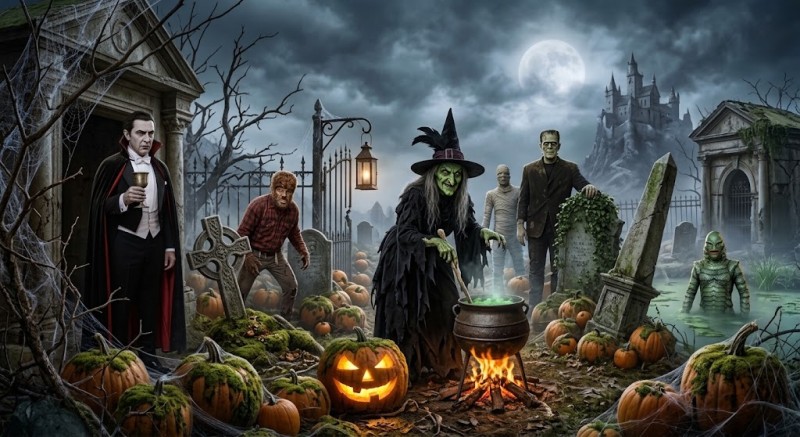
In recent years, the rise of digital technologies, social media, and generative AI has accelerated this trend, allowing themed content to be created and shared instantly on a global scale. With billions of people connected via smartphones, horror aesthetics and seasonal trends spread faster than ever. Modern technology has also transformed physical decor, with advanced animatronics, automated lighting, and interactive tech becoming staples of contemporary Halloween displays.